Tower form, optics, foundations, character

Lighthouses as engineering, not just landmarks.

This guide follows five famous stations around Britain and Ireland to show how exposed rock sites forced changes in masonry, profile, lantern design and maintenance practice. It also tracks the institutional role of Trinity House, the Northern Lighthouse Board and the Commissioners of Irish Lights as the lights moved from keepers and oil to automation and remote oversight.

FocusConstruction logic and operational change
CoverageEngland, Scotland, Wales and Ireland
ApproachComparative notes on named works
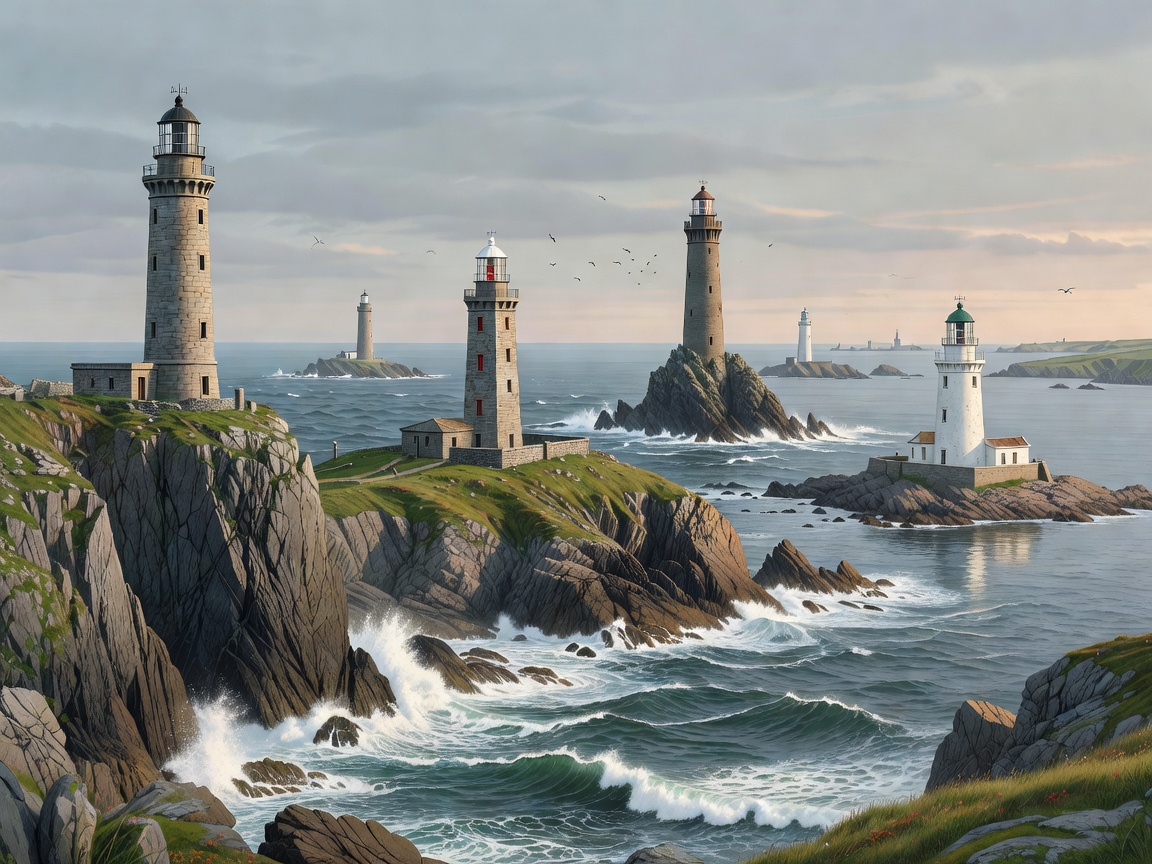
Illustrated coastal view with tall stone lighthouses around Britain and Ireland under a muted sea sky

Five stations that explain the whole story

Each page centres on one named lighthouse, but the summaries below point to the engineering question that makes it worth studying.

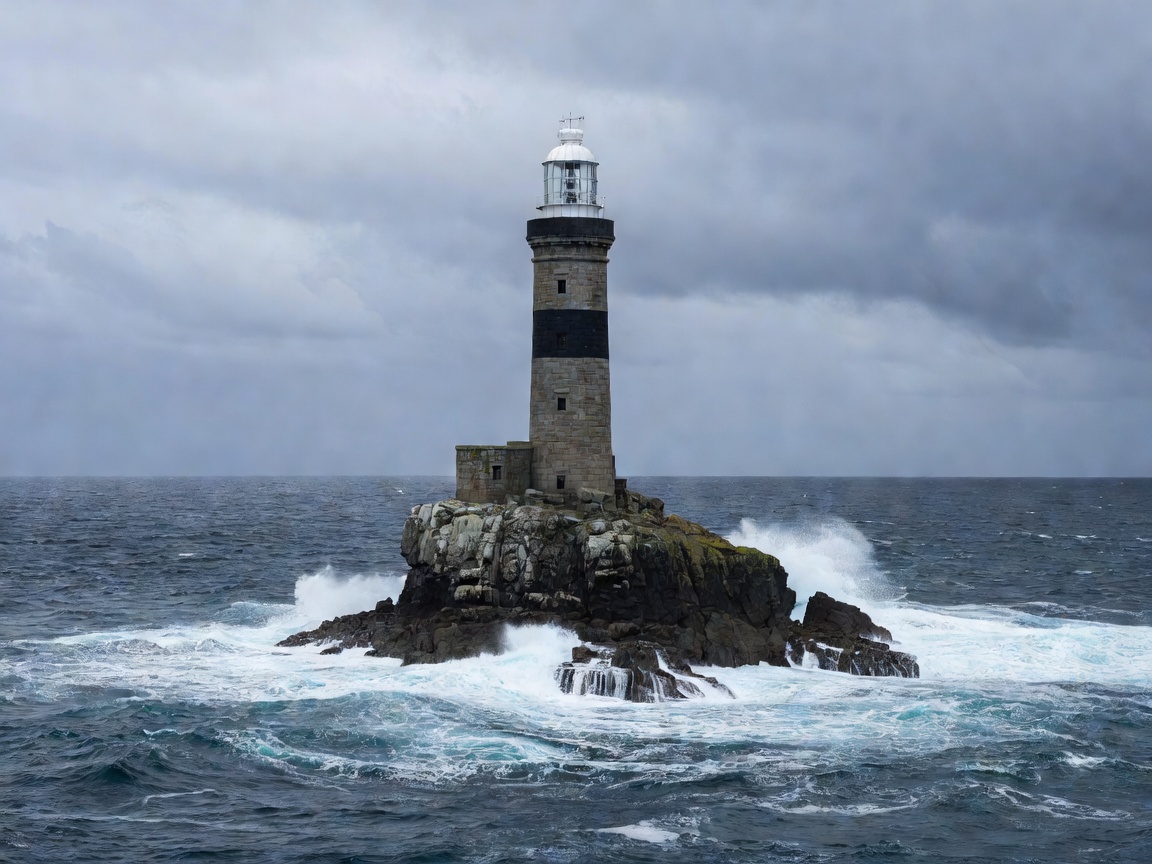
Stone lighthouse tower rising from a low reef in rough water representing Eddystone
01

Eddystone and the exposed-rock tower

Eddystone is the obvious place to start because repeated failure and rebuilding there turned a dangerous reef into a design laboratory. The page compares early timber and later interlocking masonry, explains why profile matters in breaking seas, and looks at how Trinity House learned from every replacement.

Read the Eddystone guide
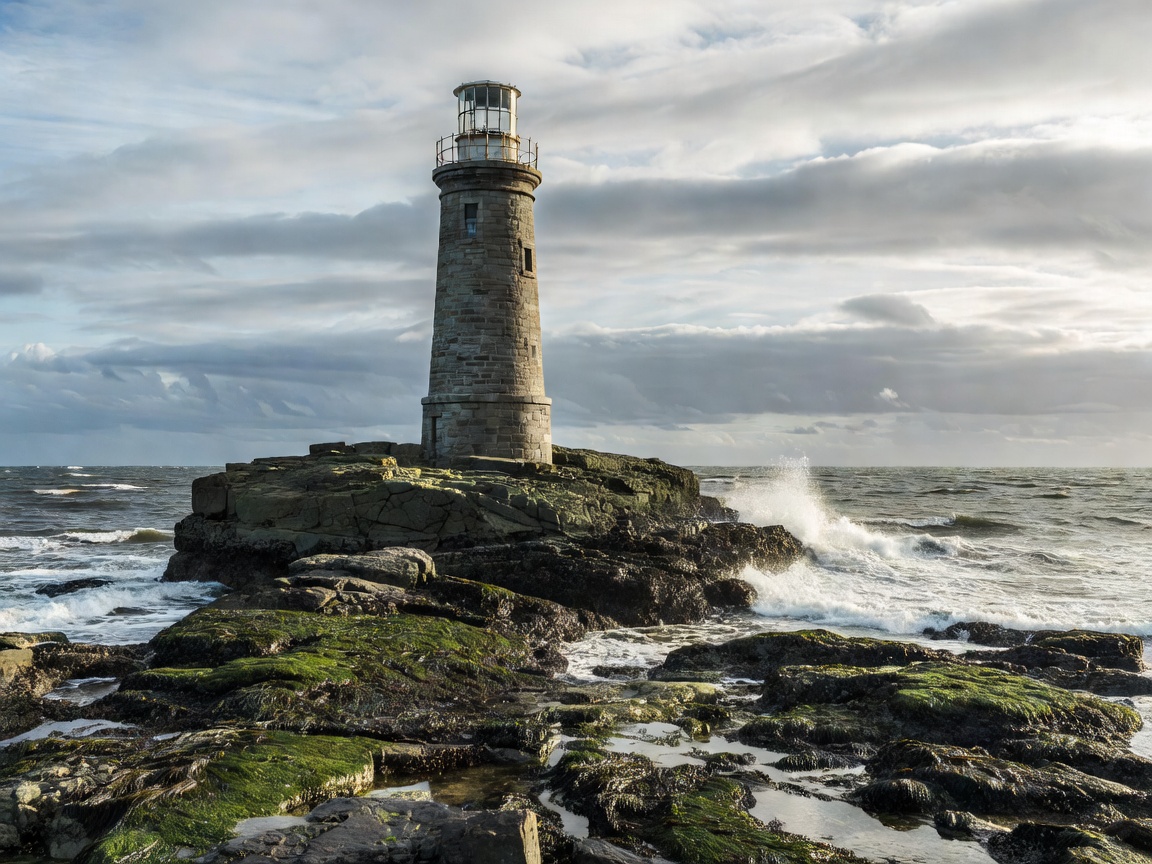
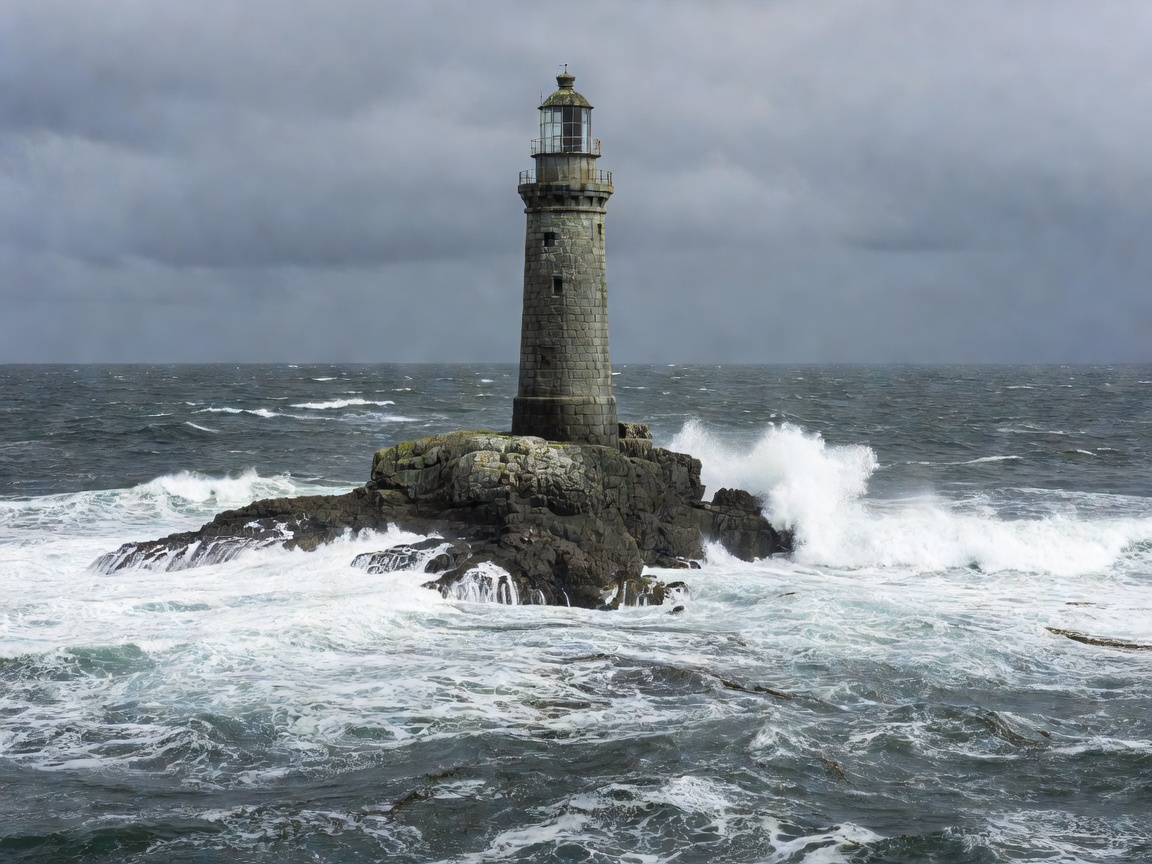
Offshore masonry lighthouse on a broad tidal rock representing Bell Rock
02

Bell Rock and tidal-site construction

Bell Rock is the page for staging, quarrying, jointing and logistics. Built under the Northern Lighthouse Board on a reef that dries only briefly, it shows how marine construction technique, work schedules and precise masonry could become as important as the lantern itself.

Read the Bell Rock guide
Granite lighthouse against Atlantic swell representing Skerryvore
03

Skerryvore and mass against the Atlantic

Skerryvore pushes the rock lighthouse into grander scale. Its page looks at why height alone is not the point, how granite mass and batter work together, and why the station is often discussed as a culmination of nineteenth-century offshore masonry before later shifts in lighting equipment and staffing.

Read the Skerryvore guide
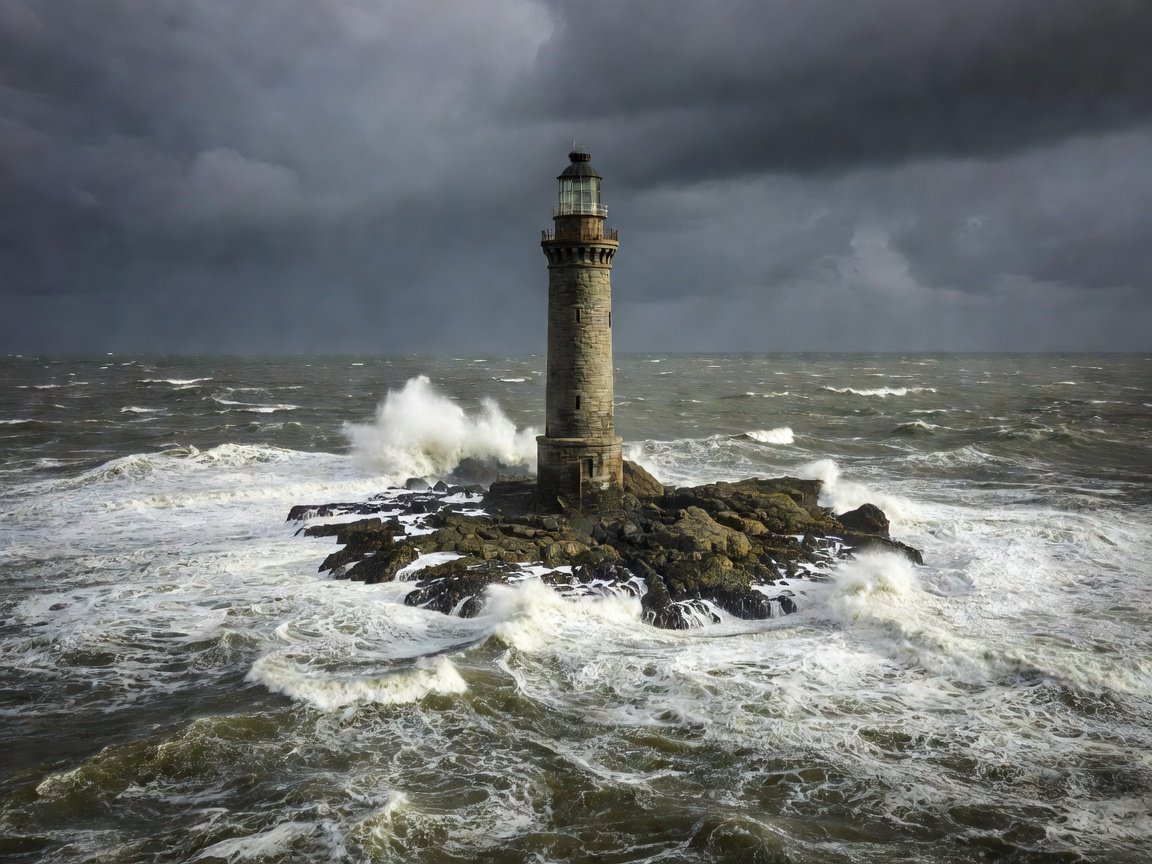
Tall lighthouse on isolated rock in open Atlantic water representing Fastnet
04

Fastnet and the optics of a sea mark

Fastnet is useful for reading a lighthouse as a signal system rather than a silhouette. The page considers visibility range in practical terms, the need for a distinct light character, the station’s place in Irish waters, and the operational path from staffed service to automation under the Commissioners of Irish Lights.

Read the Fastnet guide
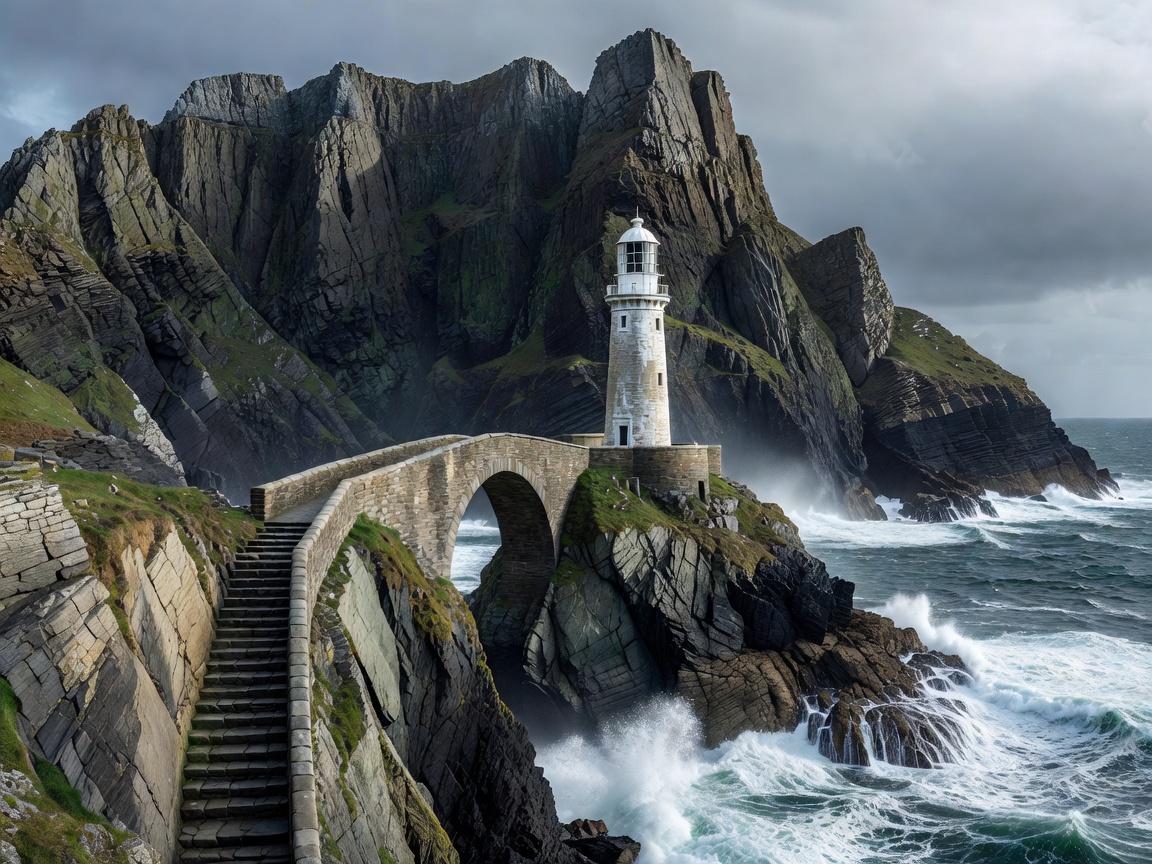
Lighthouse below steep cliffs with a narrow approach bridge representing South Stack
05

South Stack and access from the cliff

South Stack adds a different problem: not a low offshore reef but a severe island-and-cliff approach off Anglesey. Its page deals with station layout, access, fog signals, practical maintenance and the way a dramatic site still has to serve the ordinary business of marking a dangerous passage.

Read the South Stack guide

The useful questions to ask of any lighthouse

It is easy to treat a lighthouse as one object: a tower with a lamp at the top. In practice, every station is a bundle of linked decisions. What kind of foundation is possible on the site? Should the tower shed waves with a heavy curved profile or stand back on a cliff where wind and access matter more than direct impact? What optical system can produce a recognisable flash pattern at distance without demanding impossible maintenance from the keepers who had to live there? And once electricity, radio links and automated lamp changers arrived, which parts of the station remained necessary and which became historical residue?

The five guides are arranged around those questions. Eddystone shows iterative design under failure. Bell Rock shows construction discipline on a site with very little working time between tides. Skerryvore shows the full confidence of large masonry in a brutal sea area. Fastnet sharpens the issue of signal identity and remote operation. South Stack reminds us that many practical problems begin not in the lantern room but on the path, landing stage and service buildings that keep the place working.

What changes when a light becomes automated?

The tower often stays, but the daily life of the station changes completely.

Optics and lamp service

Automation reduces routine attendance, so lamp reliability, power systems and fault reporting matter more. Some stations kept major optic assemblies; others were simplified as light sources and maintenance practice changed.

Buildings and staffing

Keeper housing, stores and workshops may remain on site or nearby, but their original purpose weakens once permanent staff are withdrawn. A station can become architecturally larger than its operational need.

Control and inspection

Remote monitoring never removes the need for inspection. Salt, wind, vibration and bird fouling still affect lanterns, glazing, paint systems and access gear, so automation changes the schedule more than it abolishes human work.